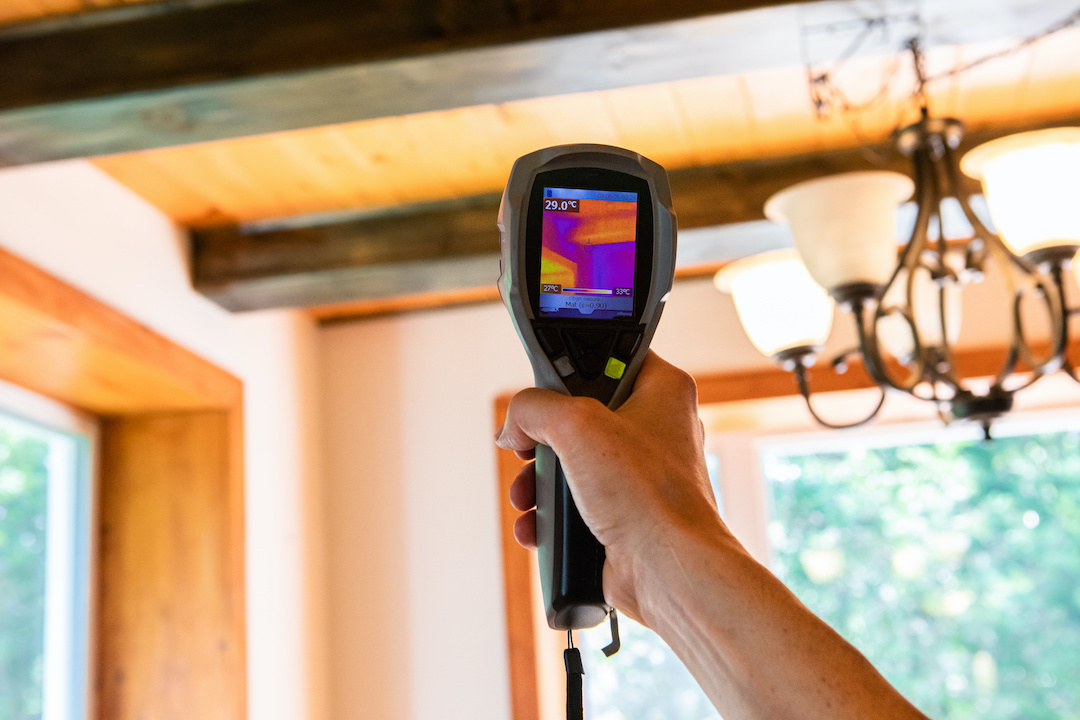

Mold Inspection
We locate the mold, identify the problem, and deliver the solution.

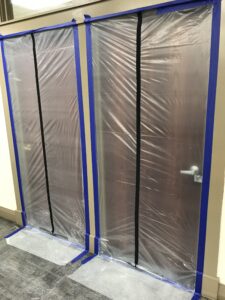
Mold Remediation
Guranteed applications that are safe and effective.

Mold Prevention
Mold Prevention services come with a 10-year warranty!
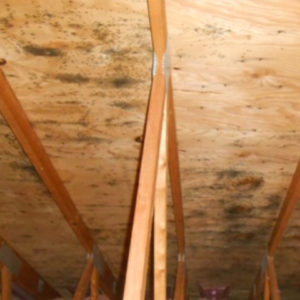
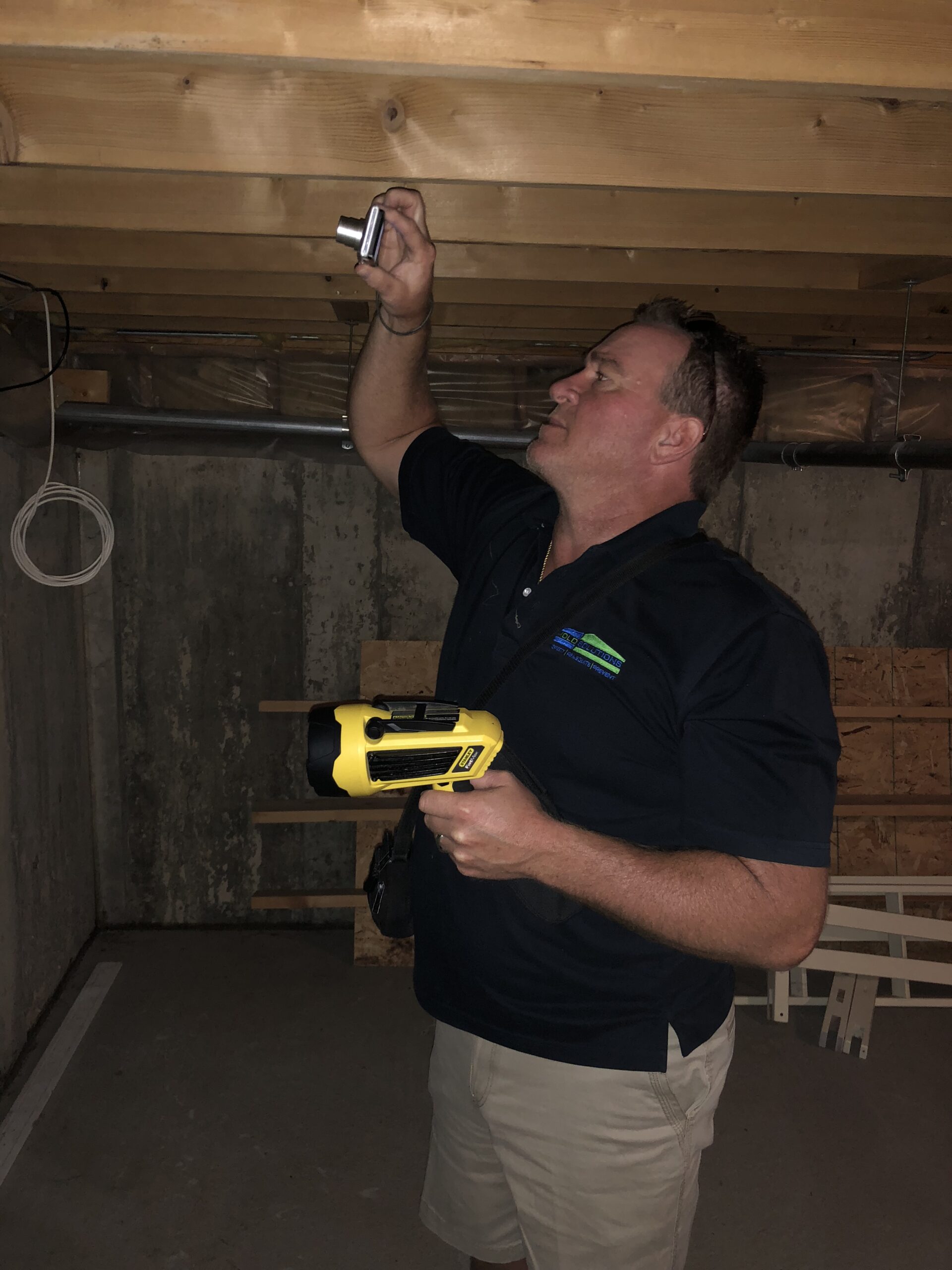






We locate the mold, identify the problem, and deliver the solution.
Guranteed applications that are safe and effective.
Mold Prevention services come with a 10-year warranty!
Although bleach can be effective against mold on nonporous surfaces, it can’t penetrate porous surfaces for complete mold removal. In fact, bleach has the potential to promote mold growth, particularly if the source of moisture is still active. And worst of all, bleach can damage your furniture and walls, so using it is usually discouraged.
Unfortunately, mold can spread quickly. It’s also hard to determine the extent of an infestation by its visible size. Actually, more often than not, when mold grows behind walls and around ventilation systems, you may only be able to see a small portion of it. Thus, you shouldn’t wait until you find noticeable amounts of mold, as even small patches could point to a severe infestation.
Even though not everyone is affected by mold, continuous exposure to it can cause a variety of illnesses. That is especially true for those who are already dealing with respiratory issues. Some of the most common symptoms of mold exposure include headaches, watery eyes, congestion, memory loss, coughing, and dizziness.
Looking for reliable mold testing near you in Chicago? Chicago Mold Solutions offers comprehensive and accurate mold assessments, ensuring your space is safe and healthy.
Many businesses that appear local are actually national call centers acting as middle men.
We’re locally owned and operated. You’ll work directly with your local team, not a national call center.
We serve our customers by solving their mold problems quickly and cost effectively — not by up-selling. We’ll never try to sell you something you don’t need.
We’ve all dealt with servicepeople who show up late and leave a mess. We don’t like it either. We respect your time and your home. We’ll show up on time and treat your home as if it were our own.
We’re certified and stand by our work. Every job we do that opts for the preventative mold coating comes with a ten-year warranty to give you the peace of mind that comes with a clean home, now and in the future.
"*" indicates required fields
We are proud to be locally owned and operated with an office in Frankfort, Illinois to serve you. Call us today to get started.
We are proud to be locally owned and operated with an office in St. Louis, Missouri to serve you. Call us today to get started.

Copyright © 2022 Mold Solutions. All Rights Reserved
I’m from Fairfield, North Carolina and currently live in Marthasville, Missouri. My favorite part of working at Mold Solutions is that every job is different, I like having to reassess what will work best for each individual customer. When I’m not at work I like to hunt and spend time with my family and help them with their construction projects. My favorite kind of music is rock.
"*" indicates required fields
"*" indicates required fields
"*" indicates required fields
I’m from O’Fallon, Missouri and currently live in St. Charles. My favorite part of this job is that every job is different, and I like that I get to assess each job and make a different plan of action for every customer. When I’m not at work I like to try and spend time with my parents when I can, see my friends, and play dungeons and dragons and overall try to enjoy life.
I was born and raised in Pacific, Missouri where I learned the value of working hard, and doing so with integrity. I’m proud to work with a team that reflects those qualities at the highest level. I love that my job allows me to find thoughtful solutions to mold problems for people in their homes and businesses, because everyone deserves to feel healthy and safe in the places they work and live each day. When I’m not working, I stay busy enjoying life with my wife and our blended family of 7 children! They keep me on my toes, and I keep their eyes rolling with as many “Dad Jokes” as I can get away with.
I’m from St. Louis and currently live in St. Charles. What I like most about my job is getting to interact with the customers and being able to see the impact our work has. Most people who are dealing with a mold issue are scared and overwhelmed, so it’s very rewarding to be able to help them through the process and give them peace of mind. When I’m not at work, I enjoy camping, being a St. Louis sports fan, and spending time with my family and friends. I like all different genres of music, but I’m a yacht rocker at heart.
I’m from St. Peters, Missouri and currently live in Foristell. What I like most about my job is that every day is different and I get to help our customers work through their stressful situations. When I’m not at work I like anything outdoors and I spend most of my time coaching little league baseball. I like all kinds of music and my favorite band is Lynyrd Skynyrd.
I’m from St. Louis, Missouri and currently live in Augusta. My favorite part about my job is helping our customers feel safer and happier in their homes. My experience being a superintendent for a commercial and residential construction company has helped me grow a team that’s skilled and eager to work hard for our customers. When I’m not at work I spend time with my family, including my dog Roman and my cat Gizmo. I like a lot of different kinds of music, but I mostly listen to rock.
Rich helped start Mold Solutions of St. Louis in 2009. He has been trained and certified by the National Association of Mold Professionals, as well as, the IICRC where Rich holds a Water Restoration Certification and an Applied Microbial Remediation Certification. Other certifications include Lead RRP and the IAQA.
When Rich isn’t helping identify and solve mold problems for our customers he’s likely camping with his family, playing guitar, or making homemade wood fired pizza.
I have been working for Mold Solutions since 2019. What I like most about working here is the team morale and the close family environment. When I am not at work, I enjoy golfing, bowling, movies and video games. My favorite music is rock, country and pop.
I have been working for Mold Solutions since 2020. What I like most about my job is being able to work in old Chicago buildings sometimes. When I am not at work, I enjoy playing the guitar. My favorite musicians are Willie Nelson and Wu Tang Clan.
I have been with Mold Solutions since June of 2018. What I like most about my job is the people I work with and how much they care about the job they do for our customers. When I am not working I like to play video games, watch Anime and go fishing. I like all music but my favorite band is Hollywood Undead.
I have been working at Mold Solutions since 2017. What I like most about my job is our team makes sure all jobs are done correctly – like perfectionists. When I am not at work, I enjoy kayaking and boating. My favorite music is Zac Brown and some Latin music.
I have been working for Mold Solutions since 2016. What I like most about our company is we have a good group of guys who actually care about our customers. Everyone gets along like family. It makes it easier to get through the tough/challenging days. When I am not at work, I enjoy trap/skeet shooting, traveling and hiking. My favorite music is the Turnpike Troubadours and mix of country, rock and pop.
Born in Tinely Park, Eddie Fox has a passion for helping homeowners protect and conserve their greatest investment – their home. Eddie’s previous professional experience revolves around residential design and restoration.
Eddie is a father to three, Tyler, McKenna and Owen, married to his wife, Danielle, and enjoys his four-legged family members, Freckles and Roxie. Eddie’s favorite quote is, “family first.”
I have been with Mold Solutions since March 2014. I love that my job is the same but different every day. I love communicating with our customers and I feel I am part of a wonderful team. It feels like family. When I am not at work, I enjoy watching my 3 children play sports, working out, cooking and cleaning. I like almost all music, but I especially like country.
I have been with Mold Solutions since the day we opened in February 2007. What I love most about my job is being able to help people in need. It gives me great satisfaction knowing that we can help people live a more healthy life and I know my mother would be proud. When I am not working I enjoy fishing, golf, cars, sports and cooking. My favorite music is 1980’s Hair Bands and Motley Crue.
I started Mold Solutions in February 2007. What I like most about my company is the people. It is wonderful to work with people who have big hearts and enjoy their job. When I am not at work, I enjoy skiing, golfing, travel and eating good food. My favorite band is Pearl Jam.

Please wait while you are redirected to the right page...
Please share your location to continue.
Check our help guide for more info.